
Indoor golf in Canada is extremely popular—and growing faster than in many other countries, largely because of climate and lifestyle factors. It is also a source of noise. Here’s a clear, data-backed picture:
More...
How popular is indoor golf in Canada?
Huge jump in participation
That’s a massive shift in just a few years—nearly doubling adoption.
Hundreds of indoor golf venues
As of 2026: ~670 indoor golf facilities across Canada. Ontario alone has ~41% of them (largest market)
This shows indoor golf is not niche—it’s a nationally established industry.
Canada has a unique advantage (winter). Indoor golf is especially popular in Canada because:
Canada, indoor golf isn’t just optional—it’s often essential to staying in the game.
Broad appeal beyond traditional golfers
Indoor golf is more accessible, less intimidating, faster than outdoor golf.
Key motivations for playing indoor golf:
It’s attracting beginners, younger players, urban professionals.
Cultural shift: redefining golf in Canada
According to industry leaders, indoor golf is a “gateway” into the sport and expanding what counts as being a golfer. Many Canadians now start with simulators then transition to outdoor golf.
Rapid market growth
Canada’s simulator market is expected to nearly double in the next 5 years. Growth includes:
The growth is both consumer-driven and business-driven. Compared to countries like the U.S., indoor golf in Canada is even more important because it fills a seasonal gap, making it a core part of the golf ecosystem—not just a supplement.
How loud is indoor golf?
Indoor golf facilities can get surprisingly loud—especially in simulator lounges or social venues. The noise profile is very different from outdoor golf and matters a lot for business design and neighbor complaints.
I was retained to develop the acoustical design for a new indoor golf simulator facility. During the design process, it became apparent that there is very little published information regarding the noise levels generated by indoor golf ball impacts.
To establish a realistic design basis, noise measurements were conducted at an operating golf simulator facility operated by InHomeGolf (Fig. 1). The measured data were subsequently used to assess the required sound insulation and to develop recommendations for the proposed facility.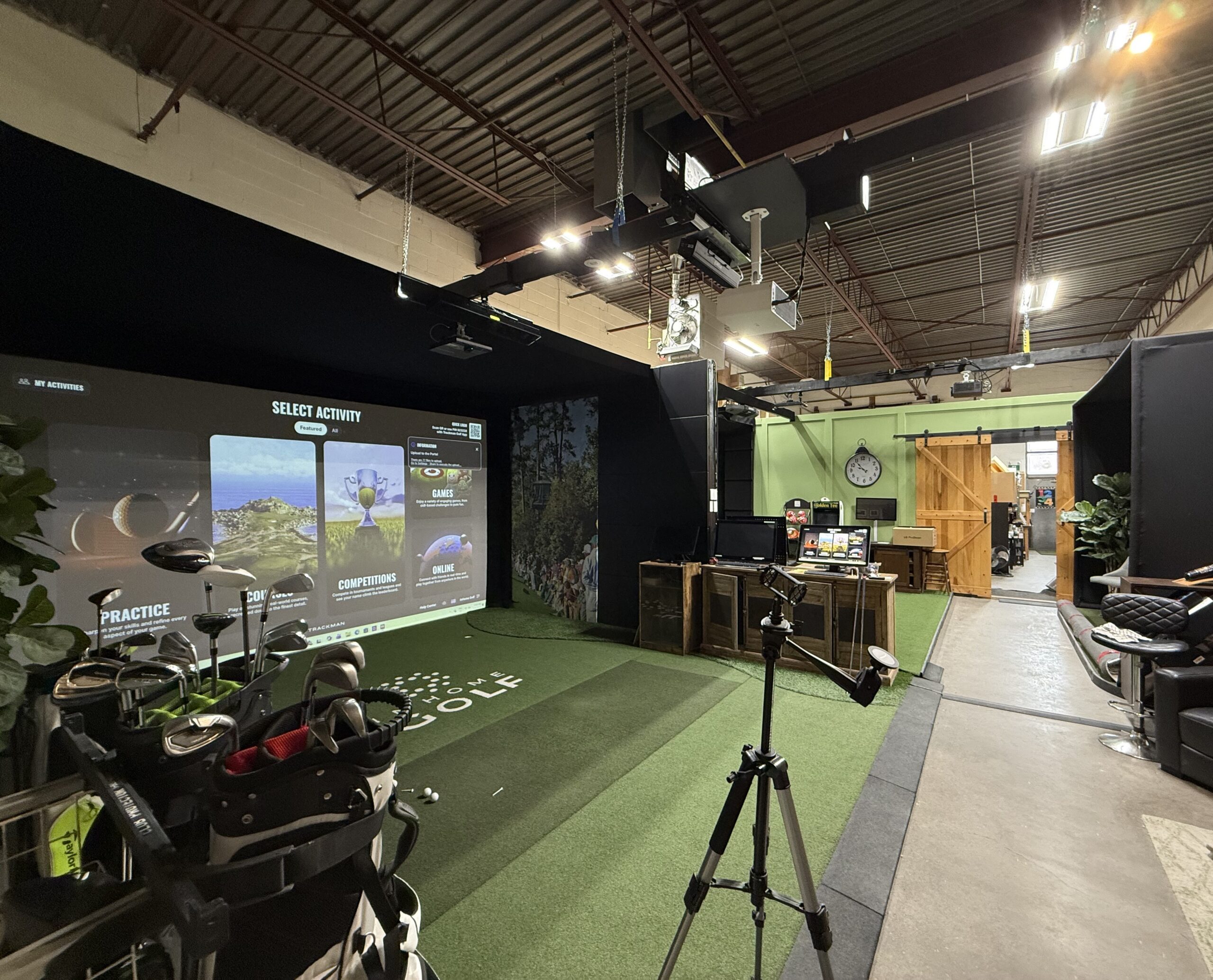
Figure 1 - Golf Simulator test at InHomeGolf.
This chart show the test instrument sceen image.
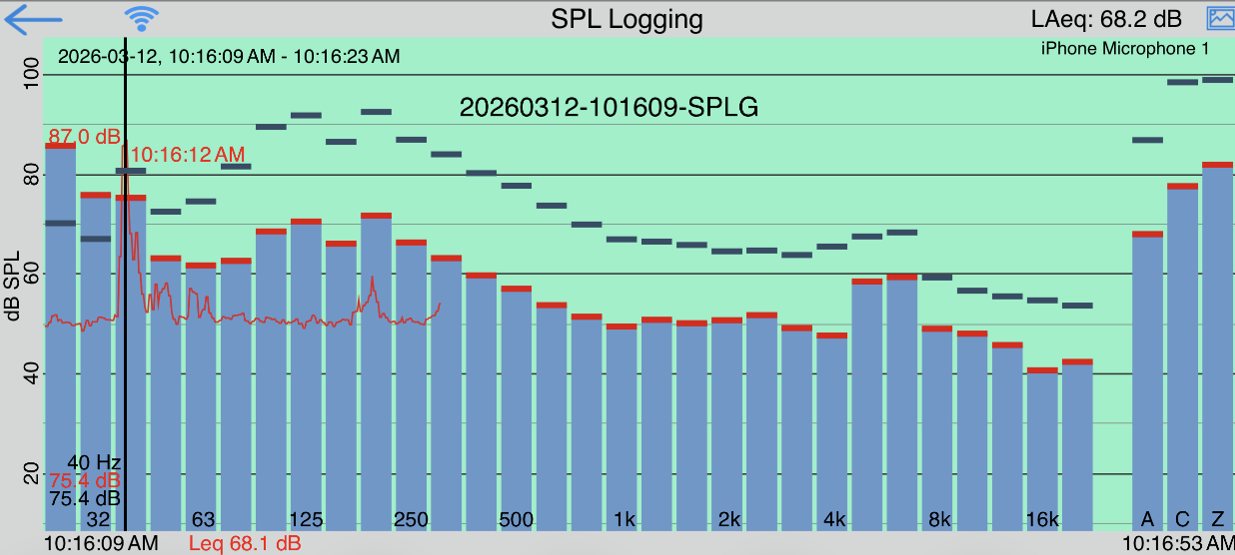
Note: The black horizontal dashes indicate the sound pressure levels at one-third octave band freqeuncies, at the point of the cursor (peak noise).
The tested peak noise value ranged between 87 dBA and 98 dBA with the loudest freqeuncies between 125 and 250 Hz.
What makes indoor golf noise unique?
Other situations can also create annoying impact noise, for example, an outdoor basketball court.
Where indor golf noise becomes a problem?
High-risk locations:
Lower-risk locations:
Common noise complaints
Neighbors typically report:
Important:
Even well-built spaces can get complaints if not acoustically designed properly.
How indoor golf noise is controlled?
Business insight (important)
Noise is one of the #1 failure risks for indoor golf businesses.
Smart operators design acoustics before opening. Budget 10–20% of build cost for sound control.
It’s manageable—but only with proper design.
Hire acoustical consultant
Many property owners underestimate the complexity of noise control. As a result, acoustic problems are often discovered only after construction has begun or walls have been opened, leading to costly delays, design changes, and unexpected remediation expenses. Engaging an acoustical consultant during the planning and design stage helps identify potential issues early, allowing practical and cost-effective solutions to be incorporated before construction begins.
Services offered by an Acoustical Consultant:


